Maintenance Tips for High-Mileage Mercedes Vehicles
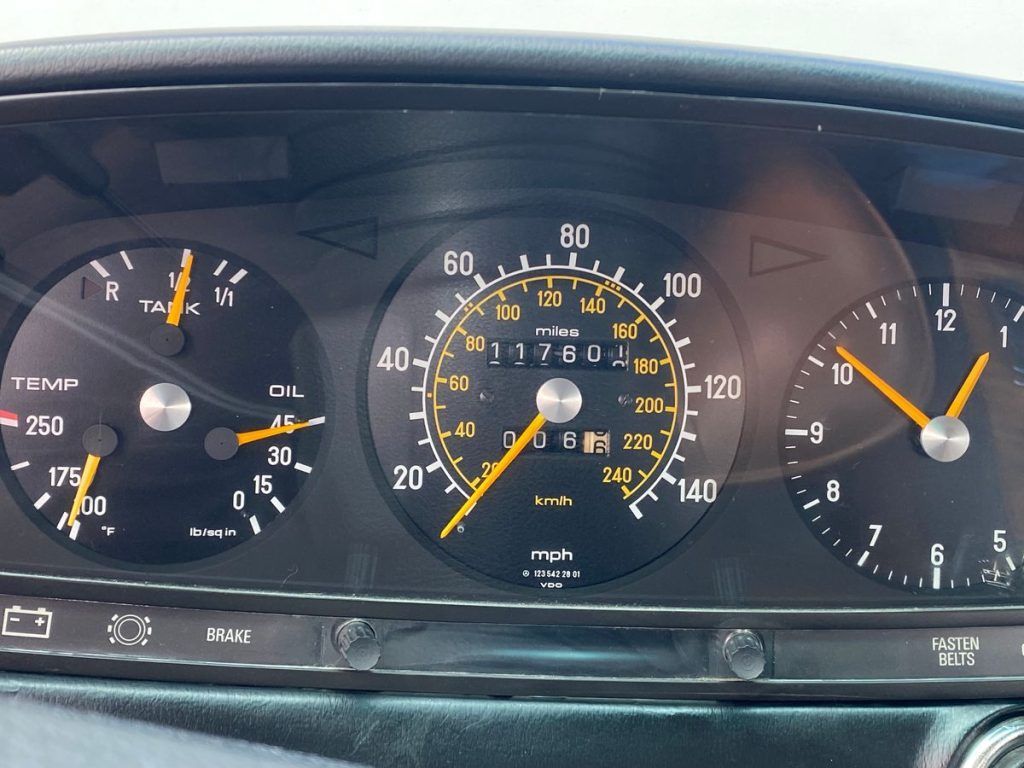
If you’re a proud owner of a high-mileage Mercedes , you understand the importance of quality maintenance to keep your vehicle running smoothly. Mercedes-Benz vehicles are engineered for longevity, but like any vehicle, they require special attention as they age. Whether you’ve reached the coveted 100,000-mile mark or are aiming for it, following a strict maintenance regimen is crucial.
Here are the key Mercedes maintenance tips for high-mileage cars, using services tailored to prolong performance and prevent costly repairs down the road. If you’re in the Oceanside area, Oceanside Motorsports is here to provide comprehensive Mercedes services to keep your vehicle in top shape.
11 Essential Maintenance Tips for High-Mileage Mercedes Vehicles
1. Regular Engine and Transmission Oil Changes
As your Mercedes engine ages, clean oil becomes increasingly important. Old oil can cause buildup and reduce efficiency, especially in high-mileage vehicles. Stick to the recommended oil change interval, typically every 5,000 miles, to keep the engine components well-lubricated and prevent unnecessary wear. Transmission fluid changes are equally vital to prevent slipping and ensure smooth shifting, especially if you’re nearing or surpassing 100,000 miles. Many drivers overlook the transmission, but it’s key to ensuring your car’s longevity.
2. Inspect and Replace Belts and Hoses
Belts and hoses deteriorate over time, even with a meticulous maintenance schedule. High-mileage Mercedes vehicles often experience belt wear and tear, which, if ignored, can lead to engine overheating or even sudden breakdowns. Regular inspection of serpentine and timing belts, as well as radiator hoses, can catch signs of cracking or fraying early on. Replacing these parts before they fail is a cost-effective way to prevent expensive repairs later. Ask your Mercedes mechanic to check for signs of wear and recommend replacements if needed.
3. Cooling System Maintenance
The cooling system is one of the most crucial components in high-mileage Mercedes cars. With age, the radiator, thermostat, and water pump may lose efficiency, leading to potential overheating. Flushing the coolant system every 30,000 miles helps remove old, contaminated fluid and prevents buildup. This is especially crucial for older Mercedes models, where rust or debris can accumulate in the cooling system. Make sure to have the cooling system components inspected regularly to ensure everything is functioning efficiently.
4. Brake System Checks and Fluid Replacement
The brake system is essential for safe driving, and high-mileage vehicles require more frequent brake inspections. Worn-out brake pads or rotors can compromise safety, so it’s vital to monitor their condition closely. Brake fluid can absorb moisture over time, which reduces its effectiveness. Regular brake fluid replacement every 2 to 3 years is recommended, as it prevents corrosion within the brake lines and maintains optimal braking performance. For high-quality Mercedes brake repair and inspection, visit Oceanside Motorsports for reliable service.
5. Fuel System Cleaning
Over time, carbon deposits can build up in the fuel system, affecting the performance of your Mercedes. This buildup can lead to reduced fuel efficiency and engine power. High-mileage Mercedes vehicles benefit from a thorough fuel injector cleaning to restore performance. Additionally, replacing the fuel filter is a straightforward but often overlooked step that can keep fuel flowing cleanly to the engine. Fuel system cleaning services are a quick yet impactful way to maintain your Mercedes’ fuel economy and smooth driving experience.
6. Exhaust System and Emission Controls
Mercedes vehicles, especially older models, are known for strict emission standards. High-mileage cars may experience exhaust leaks or issues with the catalytic converter and oxygen sensors, affecting both emissions and performance. Regular exhaust system inspections are important to ensure compliance with emissions standards and prevent unwanted noise or fumes. An exhaust system check is a great way to spot potential problems early, helping you avoid expensive repairs in the future.
7. Suspension and Steering System Maintenance
Suspension components, including shocks, struts, and control arms, are subject to wear with age and mileage. These parts are essential for a smooth ride and safe handling, especially for high-mileage Mercedes vehicles. Worn suspension parts can lead to poor alignment and tire wear, so it’s essential to have these inspected regularly. Suspension maintenance can include replacing worn-out parts and aligning the wheels for an optimal driving experience.
8. Battery Health and Electrical System
The battery and electrical system are essential for the function of modern Mercedes vehicles. Batteries tend to lose efficiency as they age, especially in vehicles with high mileage. Checking the battery’s health and ensuring that all electrical components are functioning correctly can prevent sudden breakdowns. Many high-mileage Mercedes cars also experience issues with alternators and starters. Regular inspections can catch issues before they lead to no-start situations.
9. Mercedes-Specific Diagnostic and Preventative Services
Many issues can be detected early with diagnostic checks. Mercedes has specific diagnostic tools and procedures that allow mechanics to catch minor issues before they become costly repairs. If you drive a high-mileage Mercedes, it’s wise to visit a certified Mercedes repair facility like Oceanside Motorsports for specialized diagnostic checks. These checks are often more detailed than standard diagnostic scans, offering insight into the exact condition of various components in your vehicle.
10. Don’t Forget the Tires
Tire maintenance is one of the most straightforward yet crucial aspects of high-mileage Mercedes maintenance. Check your tires regularly for wear patterns, as uneven wear may indicate alignment or suspension issues. Rotating tires every 5,000 to 7,500 miles helps ensure even wear, which can prolong tire life and improve handling. For optimal performance, also ensure your tires are inflated to the recommended levels.
11. Stay on Top of Fluid Levels
Older vehicles often have small leaks or consume fluids more quickly than newer models. Regularly check engine oil, coolant, brake fluid, transmission fluid, and power steering fluid levels. Low fluid levels can lead to overheating, reduced braking performance, or poor handling. Keeping an eye on fluid levels and topping up as necessary will help your high-mileage Mercedes continue to perform reliably.
Invest in Quality Mercedes Maintenance Services
Investing in regular, high-quality Mercedes maintenance is essential for anyone aiming to keep their high-mileage vehicle running smoothly. By following a structured maintenance plan, you can extend the life of your Mercedes and avoid significant repair costs. From oil changes to suspension checks, every step counts. Oceanside Motorsports offers specialized Mercedes services tailored for high-mileage vehicles, ensuring that your car continues to perform at its best. For reliable Mercedes repair and preventative maintenance, visit us at Oceanside Motorsports, where our expert technicians have the tools and experience to keep your high-mileage Mercedes going strong.
Maintaining a high-mileage Mercedes requires diligence, but the reward is a luxury vehicle that continues to offer comfort, performance, and safety even with hundreds of thousands of miles on the odometer. Contact us today to schedule an appointment, we can’t wait to meet you!
The post Maintenance Tips for High-Mileage Mercedes Vehicles appeared first on Oceanside Motorsports.